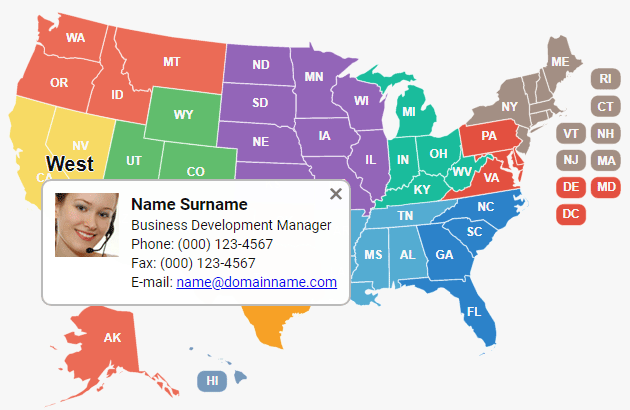
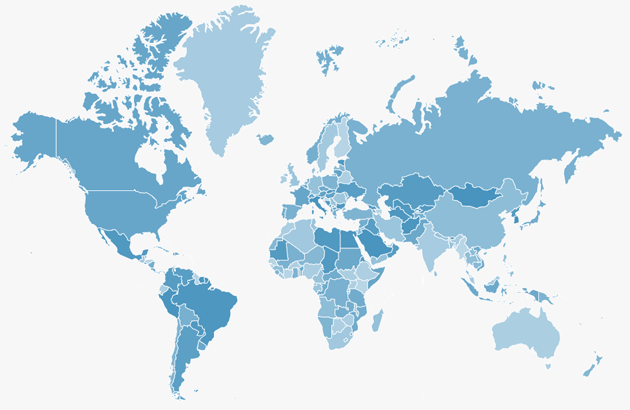
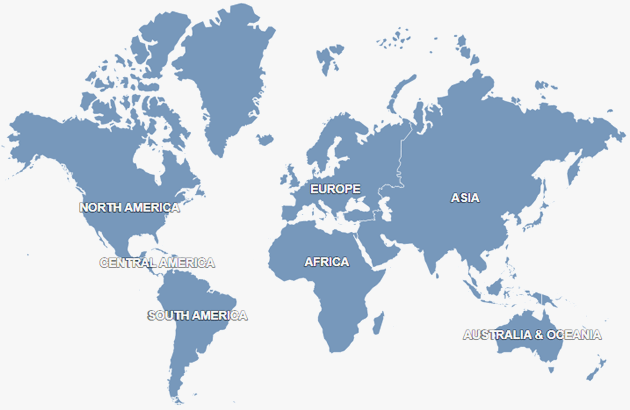
Create free and easy HTML imagemaps using our generator. Select an image from your PC or load one from a website. Create hot areas with rectangle, circle, or polygon shapes by pointing and clicking on the image. Add links, titles, and targets for each shape. Click "Generate Code" when you're done.
Image Url
Title
Link
Target
[exclusive] - Stresser Source Code
threads = [] for _ in range(num_threads): t = threading.Thread(target=send_request, args=(url,)) threads.append(t) t.start()
The source code of a stresser tool is a critical component in stress testing and load testing of computer systems and applications. By simulating heavy loads, these tools help developers and administrators ensure the reliability, stability, and performance of their systems under various conditions. The choice of programming language and the design of the tool depend on the specific requirements of the system being tested and the goals of the stress testing effort.
Understanding these vulnerabilities is essential for security researchers analyzing stresser source code to identify threats, for administrators hardening their systems against potential attacks, and for developers considering whether to build stress testing tools for legitimate use.
Advanced source code often includes functions to spoof source IP addresses. This makes it harder for the target to filter the traffic and simulates a "distributed" environment, even if the traffic is coming from a limited number of sources. Popular Programming Languages for Stressers stresser source code
Stresser code is alarmingly accessible. The primary hub is , where a simple search yields hundreds of repositories branded as "educational tools". Some repositories are functional; others are "proof-of-concepts" or even malicious traps. This legality is a gray area. GitHub's Terms of Service prohibit violating applicable laws, but the platform remains a significant source for this code. Beyond GitHub, more nefarious code and services are bought and sold on the dark web, often for as little as a few dollars, effectively commoditizing cybercrime. Perhaps the most dramatic example is the complete source code and customer database of the commercial DDoSaaS site stresser[.]gg , which was leaked online after international law enforcement action, offering a glimpse into the inner workings of a live criminal enterprise.
: Apply OS and application security patches immediately to close known vulnerabilities
For network administrators, penetration testers, and threat researchers, analyzing stresser source code offers a unique window into the mechanics of network resilience testing. It reveals how attackers exploit protocols and, conversely, how defenders can harden their infrastructure against saturation attacks.
Distributing incoming network traffic across a global grid of redundant servers prevents any single data center from being overwhelmed by a Layer 4 flood.
The source code directs bots to send small requests to publicly accessible servers (like DNS or NTP servers) with a spoofed IP address (the target's IP). These servers then send a much larger response to the target, multiplying the traffic volume [1]. Popular Programming Languages for Stressers Stresser code is
To understand how a Layer 7 stresser operates programmatically, look at this simplified, abstract Python example using asynchronous programming. This script simulates high-volume HTTP requests for load-testing environments.
: Sending high volumes of packets to overwhelm bandwidth.
Many stressers rely on . The attacker sends a small, crafted request to a third-party server (e.g., a DNS server, NTP server, or Memcached instance) and forges the request to appear as though it came from the victim. The server then sends a response that is 50x, 100x, or even 50,000x larger than the original request to the victim, severely overwhelming their bandwidth.
Even just using a booter service, without owning its infrastructure, can lead to arrest and prosecution. Law enforcement agencies in countries like Finland are sending targeted warning messages to users of seized services, making it clear that participating in these activities is unlawful and has consequences.
Utilizing services that filter malicious traffic before it reaches your server.
Video Guide
threads = [] for _ in range(num_threads): t = threading.Thread(target=send_request, args=(url,)) threads.append(t) t.start()
The source code of a stresser tool is a critical component in stress testing and load testing of computer systems and applications. By simulating heavy loads, these tools help developers and administrators ensure the reliability, stability, and performance of their systems under various conditions. The choice of programming language and the design of the tool depend on the specific requirements of the system being tested and the goals of the stress testing effort.
Understanding these vulnerabilities is essential for security researchers analyzing stresser source code to identify threats, for administrators hardening their systems against potential attacks, and for developers considering whether to build stress testing tools for legitimate use.
Advanced source code often includes functions to spoof source IP addresses. This makes it harder for the target to filter the traffic and simulates a "distributed" environment, even if the traffic is coming from a limited number of sources. Popular Programming Languages for Stressers
Stresser code is alarmingly accessible. The primary hub is , where a simple search yields hundreds of repositories branded as "educational tools". Some repositories are functional; others are "proof-of-concepts" or even malicious traps. This legality is a gray area. GitHub's Terms of Service prohibit violating applicable laws, but the platform remains a significant source for this code. Beyond GitHub, more nefarious code and services are bought and sold on the dark web, often for as little as a few dollars, effectively commoditizing cybercrime. Perhaps the most dramatic example is the complete source code and customer database of the commercial DDoSaaS site stresser[.]gg , which was leaked online after international law enforcement action, offering a glimpse into the inner workings of a live criminal enterprise.
: Apply OS and application security patches immediately to close known vulnerabilities
Most modern stresser source codes, especially those found in open-source repositories like GitHub, share several key components: 1. Protocol Selection
For network administrators, penetration testers, and threat researchers, analyzing stresser source code offers a unique window into the mechanics of network resilience testing. It reveals how attackers exploit protocols and, conversely, how defenders can harden their infrastructure against saturation attacks.
Distributing incoming network traffic across a global grid of redundant servers prevents any single data center from being overwhelmed by a Layer 4 flood.
The source code directs bots to send small requests to publicly accessible servers (like DNS or NTP servers) with a spoofed IP address (the target's IP). These servers then send a much larger response to the target, multiplying the traffic volume [1].
To understand how a Layer 7 stresser operates programmatically, look at this simplified, abstract Python example using asynchronous programming. This script simulates high-volume HTTP requests for load-testing environments.
: Sending high volumes of packets to overwhelm bandwidth.
Many stressers rely on . The attacker sends a small, crafted request to a third-party server (e.g., a DNS server, NTP server, or Memcached instance) and forges the request to appear as though it came from the victim. The server then sends a response that is 50x, 100x, or even 50,000x larger than the original request to the victim, severely overwhelming their bandwidth.
Even just using a booter service, without owning its infrastructure, can lead to arrest and prosecution. Law enforcement agencies in countries like Finland are sending targeted warning messages to users of seized services, making it clear that participating in these activities is unlawful and has consequences.
Utilizing services that filter malicious traffic before it reaches your server.